Portable Power Stations That Qualify for a California Rebate
Nutrition Writer
A power station rated at 1,024 watt-hours holds 24 more than PG&E would pay for. Under the utility's Generator and Battery Rebate Program, a portable battery had to fall between 290Wh and 1,000Wh. A unit that misses the ceiling by less than a phone's worth of charge gets nothing, no matter how high the fire tier on the customer's address.
Every portable power station rebate in California works this way: the money follows a list, not a need. That keeps the picks short. For PG&E customers, the pick is the UDPOWER C600, a 596Wh unit that the manufacturer's own guide reports on PG&E's qualified product list, although PG&E's 2026 program has filled. For SDG&E customers, the pick is the EcoFlow RIVER 600 line, which appeared on SDG&E's Qualified Product Lists from 2021 through 2024 and has to be checked against the 2026 list before anyone buys. For SCE customers there is no single model to name, because SCE sells eligible units through its own Marketplace, and whatever that catalog holds is the list. Only two things were weighed: whether a published utility list carries the model, and whether its capacity sits inside the band the utility sets.
One limit should be stated plainly. The question this piece set out to answer was which manufacturers appear on each utility's list as of September 2026, and the published record available here does not fully show that. SDG&E's 2026 list exists, but the available excerpts show its generator rows, mostly DUROSTAR and FIRMAN gas and dual-fuel units, in more detail than its battery rows. What follows is what the documents support, each with its date. The lists themselves change without notice, so check them on the day you buy, not from a blog post written weeks earlier.
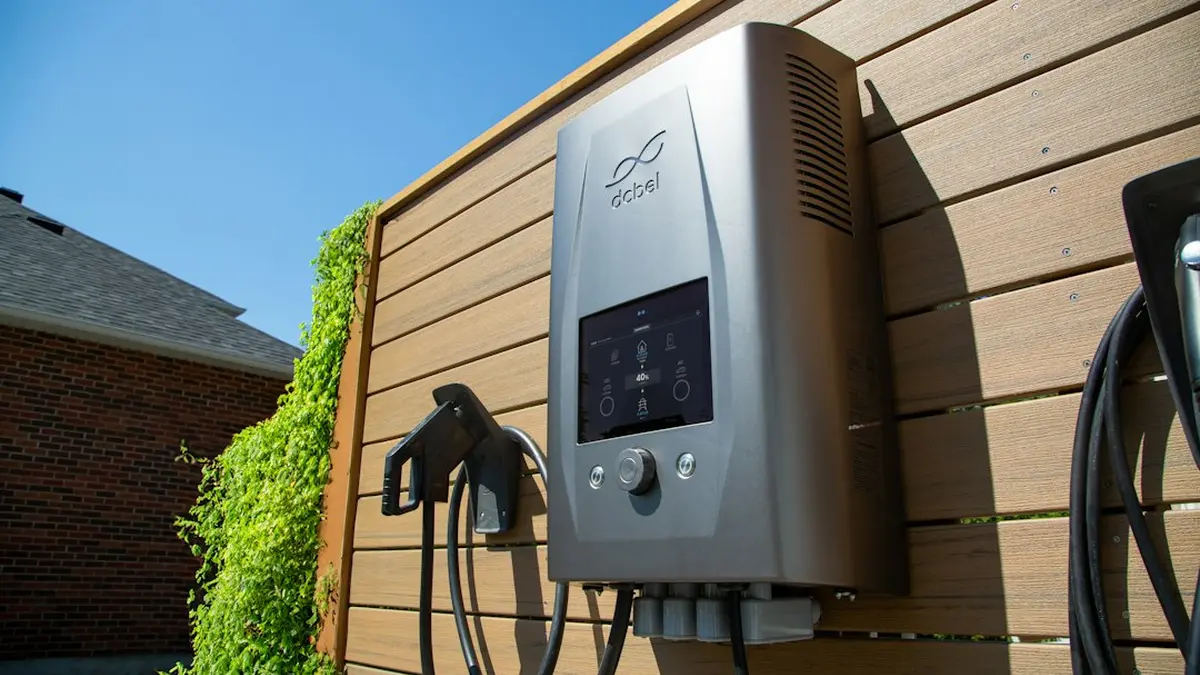
The C600 earns its place on two counts. At 596Wh it sits near the middle of PG&E's 290Wh to 1,000Wh band, well clear of both edges, and UDPOWER's California rebate guide reports it explicitly listed on PG&E's qualified product list. Few other models in the record can claim both.
The rebate it was paired with was generous by the standards of these programs. PG&E's terms set up to $300 per qualified account, plus an additional $200 for customers enrolled in CARE or FERA, for a possible $500. Eligibility depended on the address. The customer needed an active residential or business PG&E account at a location in a Tier 2 or Tier 3 High Fire-Threat District, a High Fire Risk Area, or an area served by Enhanced Power Safety Settings circuits. PG&E's Wildfire Safety Progress Map at vizmap.ss.pge.com/mapview/ is where an address gets checked. The rebate was capped at one per household, could not exceed the product's sale price, and did not cover taxes or shipping.
The drawback is serious. UDPOWER's guide and October 2026 reporting both describe the program as full and closed to new 2026 applications, a status covered in more detail in why PG&E's 2026 program filled. The sources give no price for the C600, so the rebate cannot be weighed against what the unit costs.
Skip it if you need more than 1,000Wh, if you are an SDG&E customer (UDPOWER reported its own models absent from SDG&E's 2026 lists), or if you are buying now in the expectation of a PG&E check that the program has stopped writing.
SDG&E publishes no watt-hour ceiling of its own. Its Qualified Product List is the only thing that decides eligibility. The EcoFlow RIVER 600 family is the battery line that list has carried most consistently. SDG&E's lists from 2021 through 2024 included the EFRIVER600-AM at 288Wh, the EFR610 at 512Wh, the EFRIVER600MAX-AM at 576Wh and the EFRIVER600PRO-AM at 720Wh. The Pro is the pick because it is the largest of the four, and its 720Wh would also have fit PG&E's band. The base model shows how little one list tells you about another: at 288Wh it qualified in San Diego and fell 2Wh short of PG&E's floor.
Under SDG&E's Generator Assistance Program, the 2026 rebate for a portable power station is $150, or $200 for CARE and FERA customers. UDPOWER's guide reports $525 for Medical Baseline and Access and Functional Needs customers. To qualify, a customer had to live in a Tier 2 or Tier 3 High Fire Threat District and have been through at least one Public Safety Power Shutoff. The program was open for 2026, and qualified customers were notified by email or mail starting in February. There were two ways to claim. A post-purchase mail-in rebate works with any retailer and covers a broader set of models. An instant coupon covers fewer models and can be used only at the two named retailers, Lowe's and Home Depot.
The drawback is the dates. Appearing on the 2021 to 2024 lists is history, not confirmation, and the 2026 excerpts available here did not show the battery section clearly enough to confirm any EcoFlow model on it. The sources also give no current price for the unit.
Skip it if your household received an SDG&E rebate in a prior program year, which makes you ineligible. Skip it too if you are buying refurbished, from a private party or third-party seller, or outside California. The program accepts only new units bought in California with a manufacturer's warranty, and pays one portable power station rebate per household.
SCE handles the list question differently, and in a way that suits the buyer. Eligible customers shop a dedicated SCE Marketplace catalog, and the rebate is applied at checkout. A unit sold there has already passed the eligibility check. SCE's Backup Power Solutions page promises "up to a $200 rebate on qualifying portable power stations" for customers affected by shutoffs. The page describes these as units meant to keep laptops, phones, tablets and routers running.
The secondary reporting gives a different figure. UDPOWER's guide puts SCE's rebate at $150 per unit for residential customers in Tier 2 or 3 areas, subject to funding. It also reports up to five rebates per address and retroactive claims through the Marketplace for units bought within the previous 90 days. SCE's own page states no deadline or end date. Whether you are inside the tiers SCE pays, and so whether the $150 applies to you, depends on your SCE fire risk tier. No model name appears in the record for SCE, so this section names none.
If none of these fits because you need more than about a kilowatt-hour, or because you assumed the statewide battery program would cover a portable unit, that route has narrowed close to shut. The ratepayer-funded tiers of the Self-Generation Incentive Program closed to new applicants on December 31, 2025, according to Potrero Energy's June 2026 update. SGIP also never paid for plug-in units used only for outages. What remains is the Residential Solar and Storage Equity program, which is limited to income-qualified households, pays for permanently installed storage, and has at times run on a waitlist. How that route differs from the utility rebates is covered in a portable unit versus a home battery. The things worth waiting for are PG&E's next program year, for which the sources give no date, and SDG&E's next list version.
The 1,024Wh unit from the opening still sits on a store shelf with no rebate attached, and its spec sheet will never show why. The reason is in a PDF the utility updates on its own schedule. That PDF, read on the day of purchase, is the only document in this transaction that pays.
One email a week with what we published. No spam, nothing sold, unsubscribe in one click.
Comments
No comments yet. Be the first to comment!
Leave a Comment