Introduction
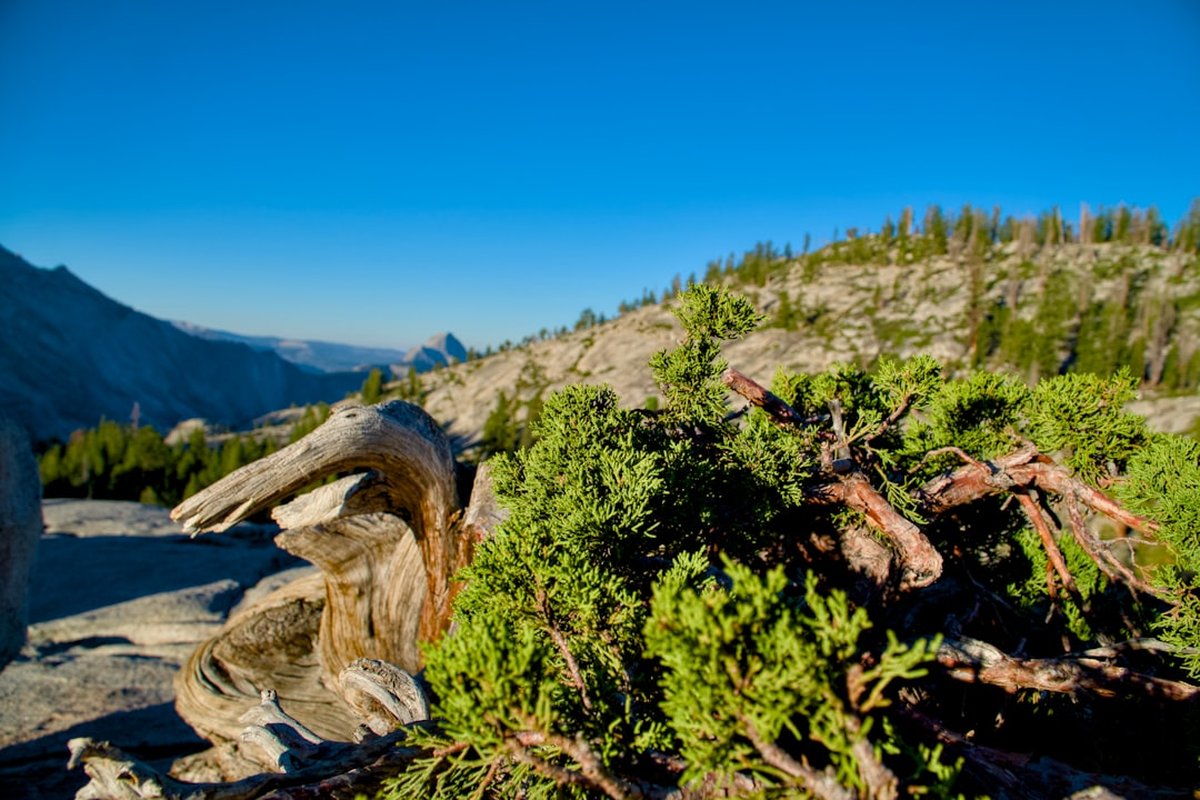
Whether you're tackling the sun-baked switchbacks of Joshua Tree or ascending Yosemite's granite peaks, the food you pack can make or break your adventure. Proper meal prep ensures you have sustained energy, stay hydrated, and avoid the dreaded mid-trail bonk.
In this guide, you'll learn how to prepare nutrient-dense trail food tailored to California's diverse hiking terrain. Time estimate: 1-2 hours of prep for a full day on the trail.
No image uploaded.
Prerequisites
Before you start prepping, gather these essentials:
-
Lightweight, leak-proof options work best for trail food
-
Aim for at least 2-3 liters capacity depending on hike length
-
Essential for perishables on hot desert hikes
-
Shop at local farmers markets for peak nutrition and flavor
-
Cutting board, sharp knife, food processor for energy balls
Step-by-Step Instructions
Step 1: Calculate Your Caloric Needs
According to the National Park Service, hikers burn between 300-600 calories per hour depending on terrain difficulty and pack weight. For a moderate 6-hour California day hike, plan for approximately 2,000-2,500 additional calories beyond your normal intake.
Step 2: Choose Your Carbohydrate Base
Complex carbohydrates provide sustained energy release—crucial for long ascents. Prep these the night before:
- Whole grain wraps with nut butter and banana slices
- Quinoa salad with roasted vegetables (stores well in warm weather)
- Homemade oat bars with dates and California almonds
Step 3: Add Protein and Healthy Fats
Protein repairs muscle tissue while fats provide long-lasting energy. The Academy of Nutrition and Dietetics recommends combining both for optimal trail performance:
- Hard-boiled eggs (keep cool for desert hikes)
- Marinated tofu cubes with sesame seeds
- Trail mix with walnuts, pumpkin seeds, and dried California apricots
- Individual nut butter packets from brands like Justin's
Step 4: Prep Climate-Specific Snacks
California's diverse terrain demands different approaches:
For Desert Hikes (Joshua Tree, Anza-Borrego): - Freeze grapes and orange slices the night before—they'll thaw into refreshing snacks - Pack extra electrolytes; the Centers for Disease Control notes desert hikers lose significantly more sodium through sweat - Avoid chocolate-based foods that melt easily
For Alpine Trails (Yosemite, Sequoia): - Include higher-fat foods for cold-weather energy demands - Pack warm soup in an insulated thermos for high-elevation lunch breaks - Energy-dense foods like cheese and salami hold up well in cooler temps
Step 5: Master Your Hydration Strategy
Pre-mix electrolyte drinks using Liquid IV or homemade alternatives (water, lemon juice, honey, and a pinch of sea salt). Plan for 1 liter per 2 hours of hiking, adding more for desert conditions.
Step 6: Pack Strategically
Organize food by when you'll eat it:
- Top of pack: Quick-access snacks for the first hour
- Middle: Main lunch items in insulated container
- Bottom: Emergency backup calories (always pack 20% extra)
Use the "eat before you're hungry, drink before you're thirsty" rule to maintain steady energy levels throughout your hike.
Troubleshooting
Conclusion
Proper meal prep transforms your hiking experience from a survival exercise into an energized adventure. By calculating your caloric needs, choosing climate-appropriate foods, and packing strategically, you'll have the sustained fuel needed to conquer any California trail.
Next steps: Test your meal prep on a shorter local hike before committing to longer trails. Note what worked, what you craved, and adjust your recipes accordingly. Happy trails!
Comments
No comments yet. Be the first to comment!
Leave a Comment